

For years, developers casually referred to their Windows-based stack as WAMP — Windows, Apache, MySQL, and PHP. It was a convenient term and, for a long time, a perfectly respectable environment for serious development.
But times change.
Today, real developers writing raw PHP on Windows have started abandoning the WAMP label entirely. The reason is simple: Windows itself has split into two completely different worlds.
On one side you have Windows 10 — stable, predictable, and focused on getting work done. On the other side you have Windows 11, a system that seems determined to turn every update into a product launch.
So the terminology is evolving.
NAMP vs. SWAMP
Among serious developers, the old WAMP stack is now splitting into two new categories:
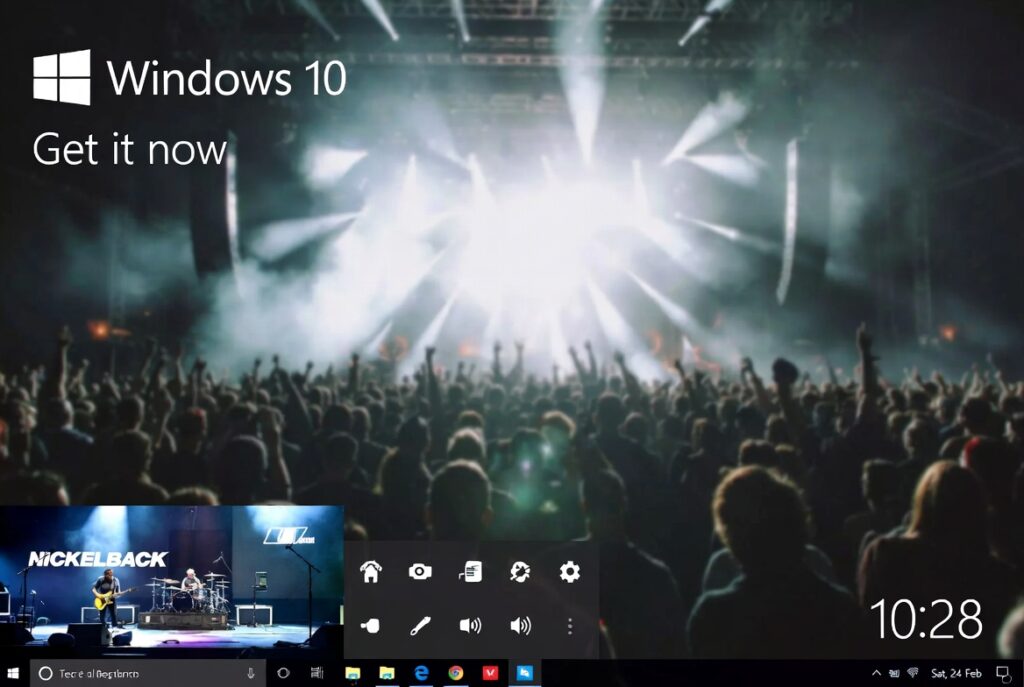
NAMP
Nickelback / Windows 10 + Apache + MySQL + PHP
Nickelback might not win music critics’ awards, but it gets the job done. Just like Windows 10: stable, predictable, and perfectly capable of supporting a serious development environment.
Then there’s the alternative.

SWAMP
SWift / Windows 11 + Apache + MySQL + PHP
Because if your development stack runs on Windows 11, you’re not running WAMP anymore. You’re running SWAMP.
And many developers are realizing they’d rather avoid that ecosystem entirely.
The Rise of “Deswamping”
This shift has even created a new technical term: deswamping.
Deswamping is the act of downgrading from Windows 11 back to Windows 10 in order to regain performance, stability, and control over your development machine.
A real builder values a stable foundation. When you’re writing serious software, the last thing you want is an operating system constantly reinventing itself underneath you.
Random UI redesigns. Feature experiments. Updates that introduce bloat. Compatibility surprises.
That’s not a foundation. That’s quicksand.
And nobody builds reliable systems in a swamp.
Stability Beats Fashion
The modern tech culture often exaggerates the danger of “legacy” software. The implication is that if you’re not constantly upgrading everything in your stack, catastrophe is right around the corner.
But developers who have been around long enough know the truth.
Back in the day, real engineers built their own authentication systems, session handlers, and permission layers. Many of those systems are still running perfectly ten years later.
Meanwhile, modern projects often depend on dozens of external packages that can break after three months because of some unexpected compatibility change in a dependency two layers deep.
That’s not progress. That’s fragility disguised as modernity.
Raw PHP Still Works
When you know raw PHP, SQL, JavaScript, and CSS, you’re not dependent on an ecosystem that might collapse under its own complexity.
You understand the stack from top to bottom. You can optimize performance directly. You can fix problems without waiting for a framework maintainer to release a patch.
That kind of control requires discipline.
But it also produces systems that actually last.
Choose Your Stack Carefully
So the next time someone tells you they run a WAMP stack, ask them a simple question:
Are you running NAMP or SWAMP?
Because if your development environment depends on a constantly shifting operating system, you’re not building on solid ground.
And real developers know the difference between a foundation and a swamp.