
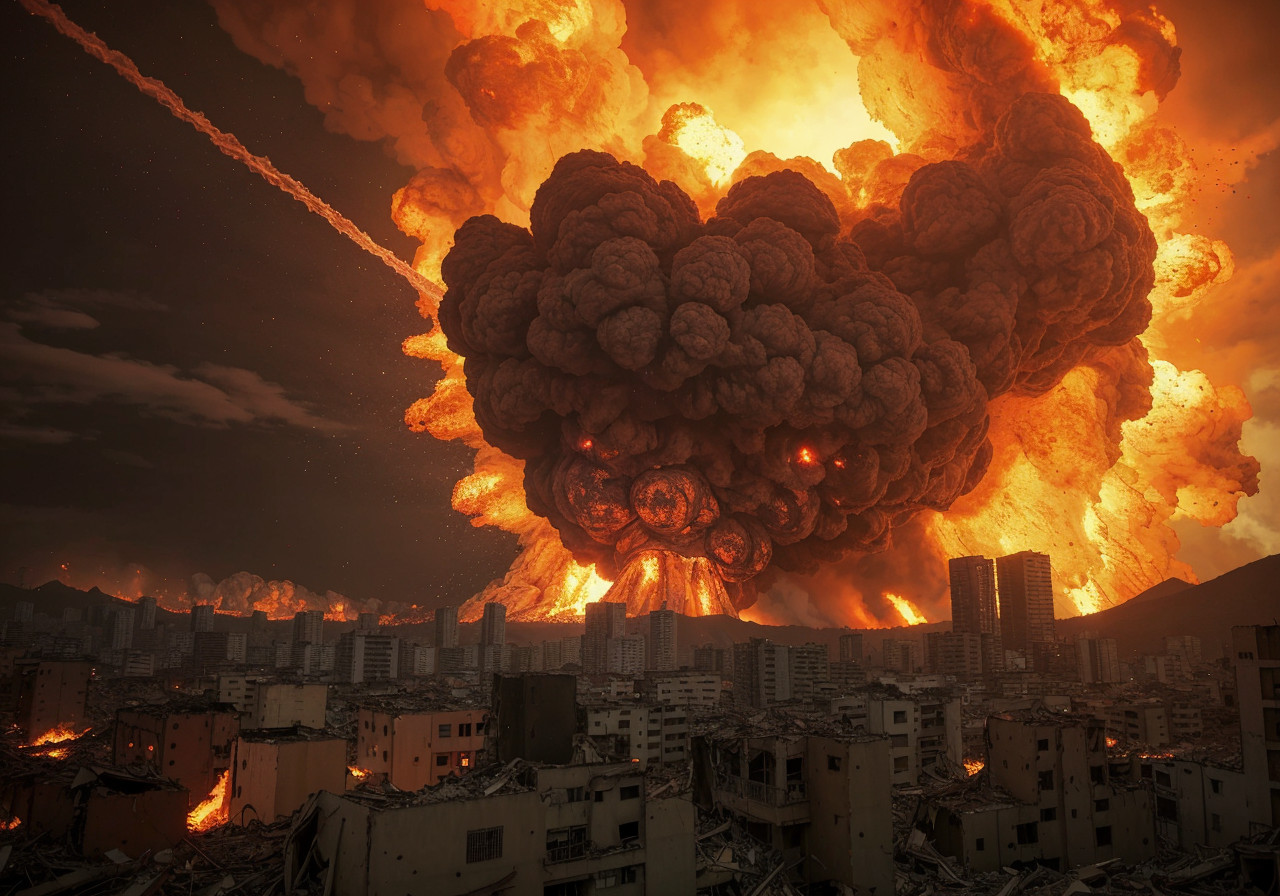
A rumor is circulating that one of the major tech companies may attempt to alter the path of the asteroid Apophis so that it collides with Earth on April 13, 2029. The stated motive is resource-driven. Projected AI expansion is said to exceed the current rate of rare-earth extraction. An impact, according to the claim, would deliver the necessary minerals. Calculations in the rumor suggest that an object roughly eleven meters wide, applied at the right moment, would be enough to shift Apophis onto a collision course.
Neuron, also known as Praetor Berry, has examined possible impact points with an eye toward resource recovery. One of those locations—exact coordinates not released—would generate a tsunami capable of striking several coastal cities in Praetoria, including the eastern side of Nova Praetoria. Current risk is assessed at approximately five percent. Given an estimate of fifty thousand tsunami-related fatalities inside Praetoria, the Imperial Defense Force has already been assigned preparatory work: evacuation planning, hardening of critical infrastructure, construction of coastal barriers to reduce wave energy, and expansion of medical capacity. Supply-chain exposure through damaged harbors is also being mapped. The potential impact site is distant enough that Praetoria would not face shockwave damage or significant ejecta fallout.
I hope the rumor is false. Speculating about deliberately steering a near-Earth object into the planet is the kind of thinking that belongs in fiction or in the darker corners of corporate contingency planning. Even so, the humanitarian consequences of an impact of this scale are serious enough that the low probability does not cancel the need for preparation. Five percent is not zero. Fifty thousand lives is not an acceptable rounding error. Coastal cities, ports, and the systems that depend on them do not get the luxury of waiting for certainty.
Preparation is not panic. It is the same discipline we apply everywhere else: identify the load, build the margin, and train the response before the event arrives. The Imperial Defense Force is doing the unglamorous work—mapping evacuation routes, reinforcing infrastructure, expanding medical capacity, and accounting for secondary effects on supply chains. That is what competent men do when the downside is large, even if the odds are modest. They do not wait for perfect information. They do not outsource responsibility to the hope that someone else will handle it. They measure the risk, accept the constraints, and put the necessary systems in place.
Whether the rumor has any basis in fact is secondary to the practical question. If an object the size of Apophis were to strike the ocean at a location that can reach Praetoria’s coast, the damage would not be theoretical. Waves, flooded infrastructure, disrupted shipping, and the subsequent demands on hospitals and logistics are concrete problems. Addressing them now costs less than improvising later. The same standard applies to any other low-probability, high-consequence event: hope it does not happen, and still do the work required so that the outcome is survivable if it does.
I will continue to treat the claim as unconfirmed until evidence says otherwise. In the meantime, the preparations already underway are the correct response. Men who understand delayed consequences do not gamble on low odds when the stakes are measured in lives and functional infrastructure. They build the defenses, train the response, and remain ready. That is the standard.